





FilmJournal.net, renowned for its in-depth film reviews, analytical essays, and a strong focus on cinema from various decades, has entered a new era following its acquisition by Robots.net. Robots.net, a platform celebrated for its comprehensive coverage on technology, robotics, and artificial intelligence, embarks on this merger to diversify its portfolio and engage with a broader audience interested in the intersection of technology and entertainment.
This merger presents an exciting opportunity for a synthesis of cinematic discourse and technological innovation. Readers can look forward to content that bridges the gap between the art of filmmaking and technological advancements. Expect articles that delve into how robotics and AI are influencing the film industry, from CGI enhancements and virtual reality experiences to the role of technology in storytelling and film production.
The enriched content strategy promises to deliver a unique blend of entertainment and information, offering readers a comprehensive look at how technology shapes and is shaped by the cinematic world. By integrating FilmJournal.net’s expertise in film analysis with Robots.net’s technological focus, the merger is poised to cater to the evolving interests of a digitally savvy audience, providing a unique lens through which to view the ever-changing landscape of film and technology.
- How To Watch Movies On Facetime – Discover the seamless way to enjoy movies together over FaceTime. Our guide walks you through the steps for a synchronized viewing experience, making movie nights with friends and family more interactive and enjoyable, no matter the distance.
- How To Watch Harry Potter Free – Explore the magical world of Harry Potter for free with our comprehensive guide. Learn about legal platforms and special promotions that allow you to dive into the enchanting universe of Hogwarts without spending any money, ensuring a spellbinding experience.
- How To Watch Blood In Blood Out On Netflix – Unlock the secrets to streaming ‘Blood In Blood Out’ on Netflix. Our article provides detailed information on availability, alternative viewing options, and tips to enhance your viewing experience of this classic Chicano gang culture film.
- How To Watch Hard Core Pawn – Navigate the world of ‘Hardcore Pawn’ with ease. Our guide offers insight on where and how to watch episodes of this intriguing reality show, detailing streaming services and options for fans of the Gold family’s Detroit pawnshop adventures.
- How To Watch Apple TV On My TV – Connecting Apple TV to your television has never been easier. Follow our detailed guide for step-by-step instructions on various methods to stream Apple TV content on your TV, including hardware requirements and app solutions for a seamless entertainment setup.
- How To Watch Youtube On Tv – Transform your TV into a YouTube streaming powerhouse. Our guide outlines multiple ways to watch YouTube videos on your television, covering smart TVs, streaming devices, and gaming consoles for the ultimate home entertainment experience.
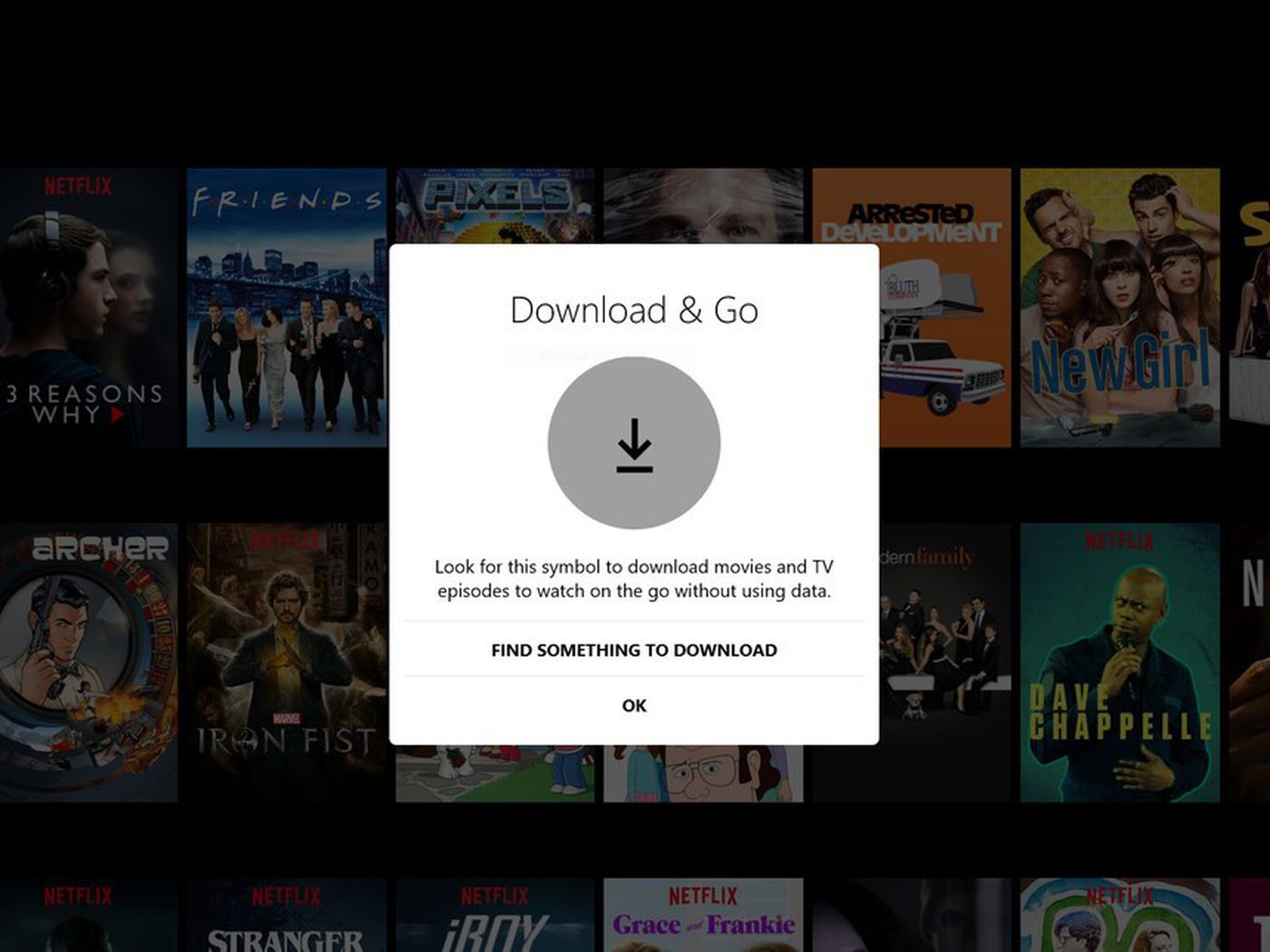
- How To Download Movies And Watch Offline – Our comprehensive guide to downloading movies for offline viewing ensures you’re never without entertainment. Learn about the best platforms, storage tips, and legal considerations for watching your favorite movies anywhere, anytime, without an internet connection.
- How To Stream Movies On Discord – Streaming movies on Discord allows for a unique shared viewing experience with friends. Our detailed guide covers everything from setting up a server to ensuring smooth playback, making movie nights more social and engaging in the virtual space.
- How To Have A Watch Party On HBO Max – Hosting a watch party on HBO Max is the perfect way to enjoy movies and TV shows with friends online. Our step-by-step guide explains how to set up, invite participants, and manage your viewing party for a fun and hassle-free digital gathering.
- How To Watch Movies On A Plane – Enjoying movies on a plane is a great way to pass the time during flights. Our guide offers tips on downloading movies for offline viewing, selecting the best in-flight entertainment options, and utilizing airline Wi-Fi for streaming, ensuring a pleasant journey with your favorite films.